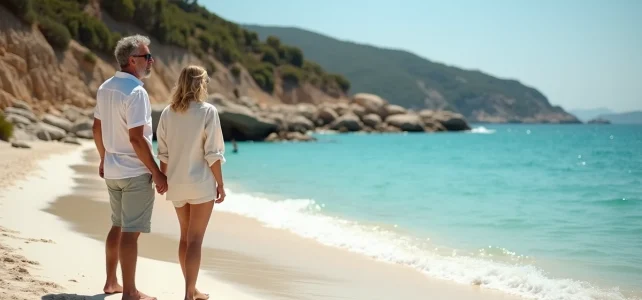
A fully inclusive tour in Corsica combines transportation, accommodation, meals, and a predefined itinerary covering several stages of the island. This format avoids the hassle of managing each reservation separately and allows you to traverse very different landscapes in just one week or ten days, from the limestone cliffs of the south to the granite ridges of the center.
Access restrictions to Corsican natural sites: what changes for a tour
Since 2023-2024, several municipalities and managers of protected areas have tightened access limitations to iconic sites. The Scandola Nature Reserve and the Gulf of Girolata are subject to boat quotas, stricter navigation rules, and increased control of maritime excursions.
Related reading : Investing in New Real Estate in Corsica: A Mediterranean Paradise Within Reach
For a traveler on a tour, this means that certain maritime stages must be booked well in advance. An organizer who includes these excursions in their package manages the slots for you, which is a concrete advantage compared to independent travel.
Overcrowding also affects hiking trails and seagrass beaches. Choosing a fully inclusive tour in Corsica with Leclerc or another structured operator allows you to benefit from a route adapted to current quotas, with visit times scheduled for the least crowded slots.
Related reading : How to Bypass Uqload CX Blocks in France: Tips and Effective Solutions
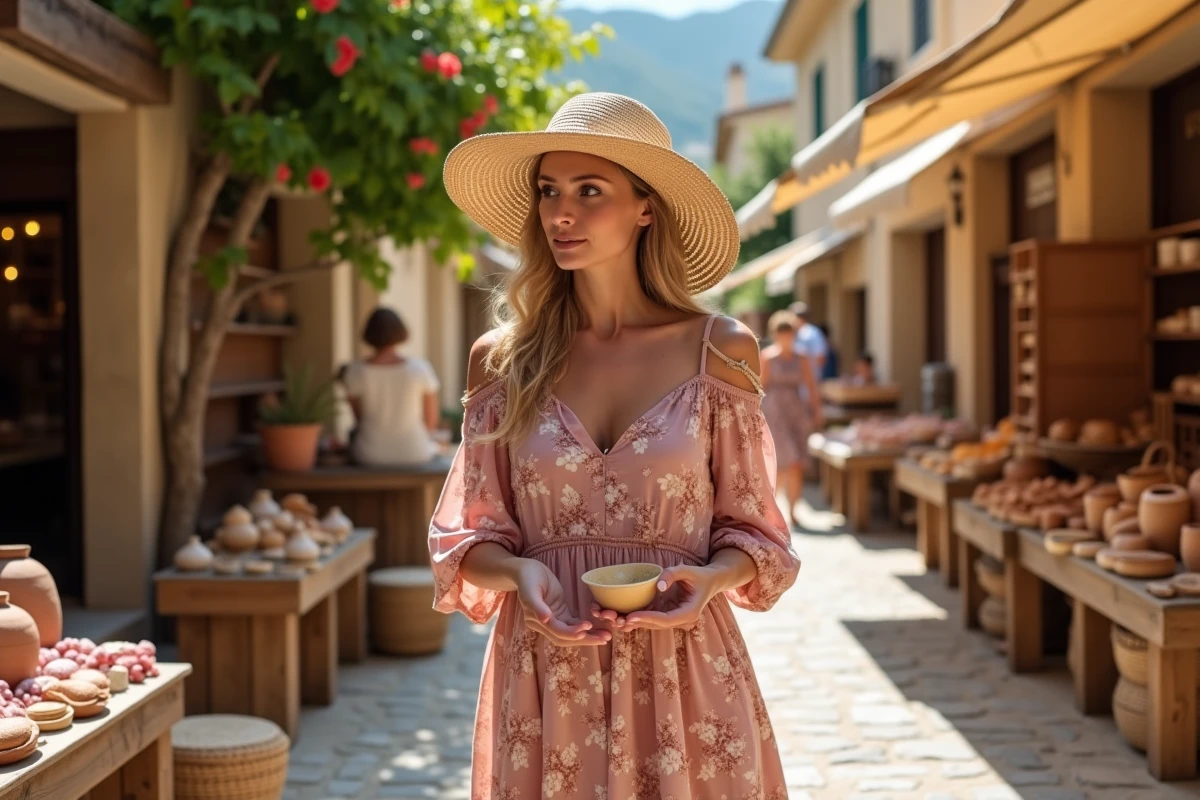
Self-drive tour or guided tour: two approaches to discovery
The term “fully inclusive tour” encompasses two distinct formats that do not offer the same experience.
Self-drive tour with rental car
The self-drive tour provides a vehicle, accommodations reserved at each stop, and a roadbook. The traveler drives themselves and manages their daily schedule. This format is suitable for those who want to stop freely in a village or extend a swim at a secluded beach.
Corsican roads are often narrow and winding, with travel times longer than the distance might suggest. For example, a trip from Ajaccio to Bonifacio takes significantly longer than on the mainland for an equivalent distance. The roadbook provided by the operator incorporates these constraints.
Guided group tour
A local guide takes care of transportation in a minibus or coach. Cultural visits (Genoese citadels, baroque churches, museums) are narrated. This format eliminates logistical burdens and provides historical insights that are difficult to obtain alone.
The trade-off is a fixed program. Stops at beaches are timed, and the exploration of a village is done at the group’s pace.
Key stages of a Corsican tour between beaches and heritage
A well-designed tour alternates coastal days with excursions into the mountainous interior. Three major regions structure most itineraries offered by operators.
- The south (Bonifacio, Porto-Vecchio): cliffs sculpted by erosion, fine sandy beaches with clear waters, and the fortified old town of Bonifacio perched on its limestone cliffs. This region concentrates the most photographed beaches on the island.
- The center (Corte, Restonica and Tavignano valleys): mountain landscapes, natural pools, and the citadel of Corte, which was the seat of Pascal Paoli’s government. This stage breaks away from the coastline and provides access to wilder nature.
- The northwest (Calvi, L’Île-Rousse, Cap Corse): Balagne villages clinging to the hills, vineyards, and Cap Corse with its Genoese towers and harbors. Bastia, the northern gateway to the island, deserves a day for its old port and baroque churches.
A tour lasting ten to eleven days generally covers these three areas. Shorter packages, around a week, focus on two of them.
Sustainable tourism labels in Corsica: a selection criterion for accommodation
The Corsican Regional Natural Park has updated its commitments for the Esprit Parc national brand and developed stays including visits to producers, rural heritage, and soft mobility. Several accommodations have obtained or renewed certifications such as Clef Verte or EU Ecolabel since 2023.
For travelers, these labels guarantee verified practices regarding water management, waste sorting, and energy consumption. When choosing a fully inclusive tour, checking if the included hotels or residences carry one of these labels is a reliable indicator of the environmental quality of the stay.
What “fully inclusive” actually covers
The definition varies from one operator to another. Some packages include only half-board, while others offer full board with drinks. The following elements should be checked before booking:
- The flight or maritime crossing (some tours display a price “excluding transport”).
- Boat excursions (Gulf of Porto, Scandola, Bonifacio), often charged extra.
- The category of accommodation: a three-star hotel by the beach and a residence set back do not provide the same experience, even if both are labeled “fully inclusive”.
- Cancellation insurance and airport-hotel transfer.
A package that includes flight, accommodation, and maritime excursions truly simplifies logistics. A package that excludes these items leaves a significant part of the budget to be organized independently.
When to go on a tour in Corsica: season and attendance
The high season (July-August) concentrates the majority of visitors on the beaches and in coastal villages. The access restrictions mentioned earlier are applied more rigorously during this period.
The months of May-June and September-October offer favorable weather with pleasant temperatures for hiking and a sea still suitable for swimming in September. Reduced attendance facilitates access to regulated sites and makes mountain roads less stressful to navigate by car.
A fully inclusive tour booked during these periods generally costs less than in mid-summer, with the same level of comfort in accommodation and a wider availability for boat excursions to Scandola or the calanques of Piana.
Corsica remains an island where the weather can change rapidly in the mountains, even in June. A tour that plans alternatives (winery visit, covered market, museum) for bad weather days reflects a realistic design of the itinerary.