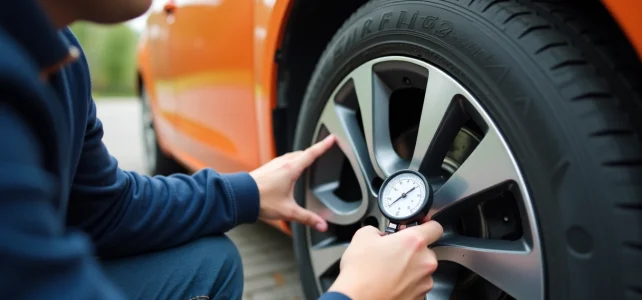
Driving with inadequate tire pressure can compromise the safety of your Peugeot 208 and reduce its longevity. Incorrect pressure leads to uneven tire wear, affects handling, and increases fuel consumption. It’s essential to regularly monitor tire pressure to avoid these inconveniences.
To effectively manage this issue, start by equipping yourself with a quality gauge. Check tire pressure at least once a month and before every long trip. Refer to the owner’s manual for recommended values and adjust the pressure accordingly. Regular maintenance not only ensures safe driving but also extends the life of your tires.
Read also : How to Choose the Best Pixmania Promo Codes Based on Your Order Amount
Why Tire Pressure is Fundamental for Your Peugeot 208
The tire pressure of your Peugeot 208 plays a crucial role in various aspects of driving. Adequate pressure directly impacts road safety by ensuring better traction and stability. By maintaining correct pressure, you reduce the risks of skidding and hydroplaning, especially under adverse weather conditions.
Beyond safety, tire pressure also influences fuel consumption. Insufficient pressure increases rolling resistance, forcing the engine to work harder to maintain speed, which results in higher fuel consumption. For more economical driving, it’s important to regularly monitor this pressure.
See also : How to Optimize Your Internet Connectivity as a Student?
Correct pressure also helps avoid premature tire wear. Under-inflated or over-inflated tires wear unevenly, reducing their lifespan and requiring more frequent replacements. Adequate pressure significantly reduces accident risks, ensuring better grip and maneuverability of the vehicle.
To check and adjust the pressure, use a quality gauge. If your Peugeot 208 is equipped with a TPMS (Tire Pressure Monitoring System), follow the provided indications. In case of tire changes or resetting the onboard computer, don’t forget to reset tire pressure 208 to ensure accurate monitoring.
- Road safety: better traction and stability
- Fuel consumption: reduced rolling resistance
- Premature tire wear: avoided through uniform distribution
- Accident risks: significantly reduced
Follow these guidelines to ensure safe and economical driving with your Peugeot 208.
How to Check and Adjust the Tire Pressure of Your Peugeot 208
To ensure optimal tire pressure for your Peugeot 208, follow these simple yet essential steps.
Using the Gauge
A gauge is an indispensable tool for measuring tire pressure. Place it on the tire valve and read the displayed value. Compare this measurement with the recommended pressure by the manufacturer, usually indicated in the vehicle manual or on a label inside the door.
Adjusting with a Compressor
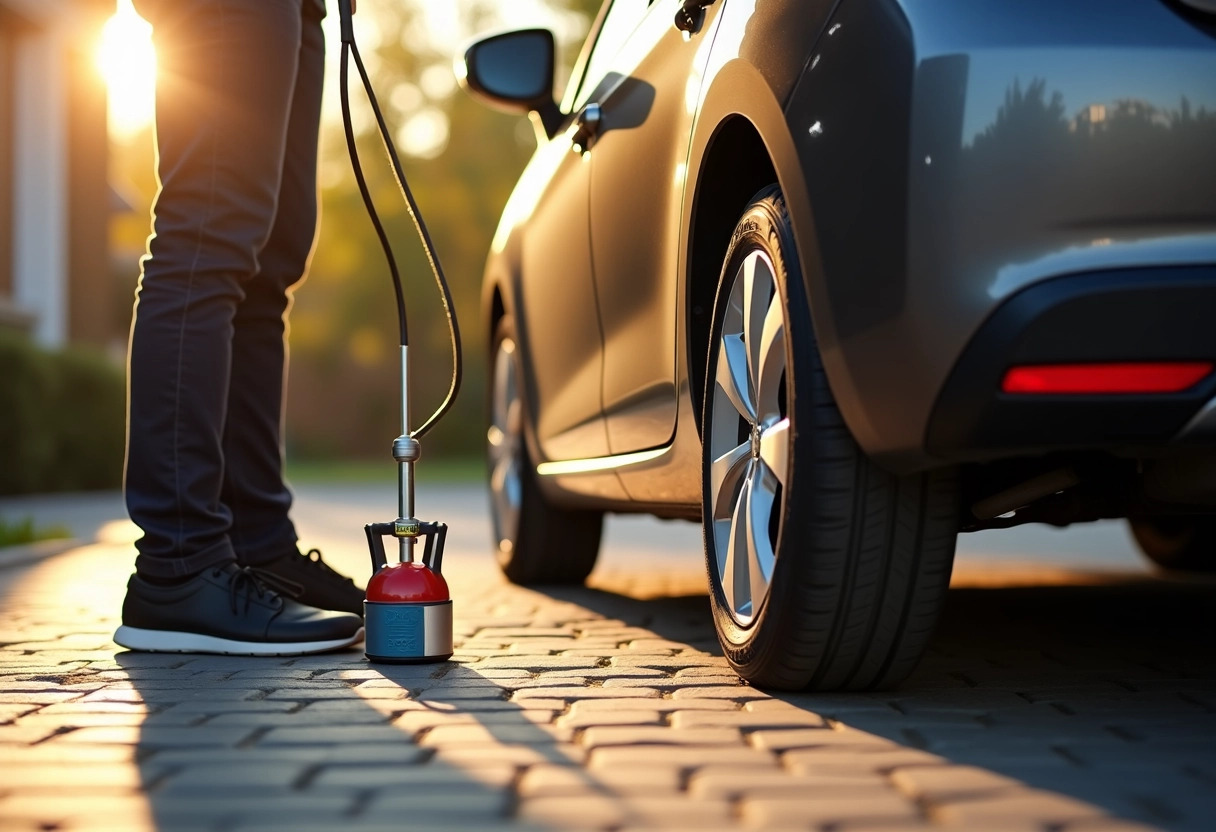
If the measured pressure is below the recommended value, use a compressor to adjust the pressure. Connect the compressor to the valve and inflate until reaching the correct pressure. For over-inflated tires, release excess air by gently pressing on the valve.
Continuous Monitoring with the TPMS
The TPMS (Tire Pressure Monitoring System) is designed to continuously monitor tire pressure. This system alerts you in case of failure, ensuring prompt intervention.
Complementary Practices
To prevent premature tire wear and optimize their lifespan, consider the following practices:
- Tire rotation: allows for even wear.
- Wheel alignment: ensures regular wear.
- Wheel balancing: avoids harmful vibrations.
By following these guidelines, you ensure optimal performance of your Peugeot 208 while preserving your safety and budget.