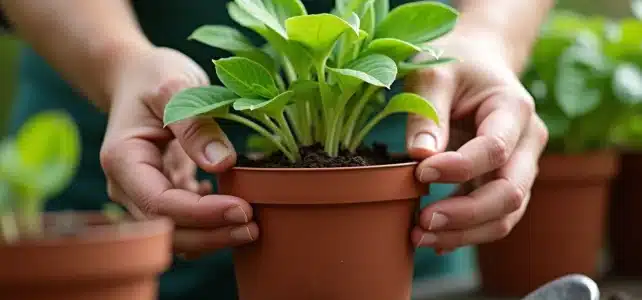
Growing climbing plants adds a touch of greenery and charm to any garden or balcony. For those looking to multiply their favorite plants without spending a fortune, cuttings are a simple and effective method. Successfully propagating cuttings can sometimes seem like a daunting challenge.
There are proven techniques that ensure beautiful successes. Whether it’s choosing the ideal moment, preparing the stems, or using rooting hormone, each step plays a fundamental role. By mastering these tips, anyone can transform their green space into a true botanical haven.
Read also : Overview of the Best Educational Apps for Accounting
Essential Steps for Successfully Propagating Climbing Plants
To successfully propagate climbing plants, follow these key steps. First, select healthy stems that are free from diseases and pests. They should be sturdy and sufficiently woody.
Prepare a suitable soil. A mixture of potting soil and sand in equal proportions is ideal for promoting rooting. Maintain a constant humidity, which is essential to prevent the young shoots from drying out.
Read also : Understanding the prison canteen: operation, budget, and tips for effective management
Using a rooting hormone can speed up the process. Simply dip the base of the cuttings in this hormone before planting them. For certain varieties like honeysuckle, the honeysuckle cutting in water technique can be very effective.
For optimal results, here’s a summary of the materials to use:
- Potting soil
- Sand
- Rooting hormone
- Suitable containers (pots, trays)
Some climbing plants such as pothos and philodendron can also be propagated by cuttings. These species, like hydrangeas, respond well to this method. For those that require a more humid environment, using a mini-greenhouse or a clear plastic bag can be wise.
Though technical, propagation allows for efficient and cost-effective multiplication of plants. By mastering these steps, every gardener can hope for beautiful successes in the propagation of their climbing plants.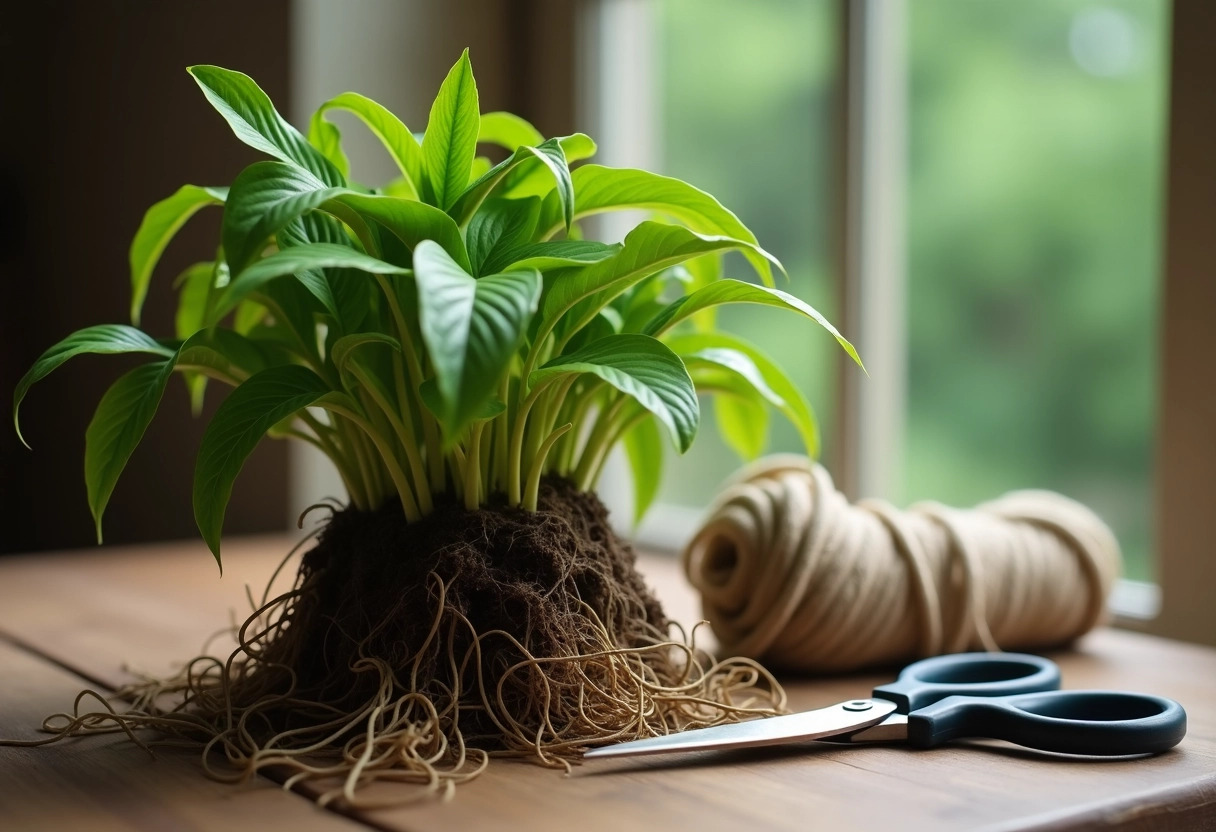
Care and Maintenance to Ensure the Success of Cuttings
To ensure the success of climbing plant cuttings, regular care is essential. Place the cuttings in a bright environment, but avoid direct sunlight which could dry them out. A warm to hot temperature between 20 and 25 °C is ideal for promoting root development.
Using a mini-greenhouse or a clear plastic bag can help maintain humidity, which is essential to avoid water stress. Willow water, rich in auxins, can also stimulate rooting. To prepare this solution, soak willow branches in water for 24 hours, then use this liquid to water the cuttings.
- Bright environment, without direct sunlight
- Warm to hot temperature (20-25 °C)
- Maintain humidity with a mini-greenhouse or a plastic bag
- Use willow water to promote rooting
Applying a natural fertilizer like homemade compost can support the growth of young plants after the first roots appear. The lemon tree, for example, can benefit from this type of fertilizer. Avoid water stress by watering the cuttings sparingly but regularly.
By following these recommendations, you will optimize your chances of success in propagating your climbing plants.