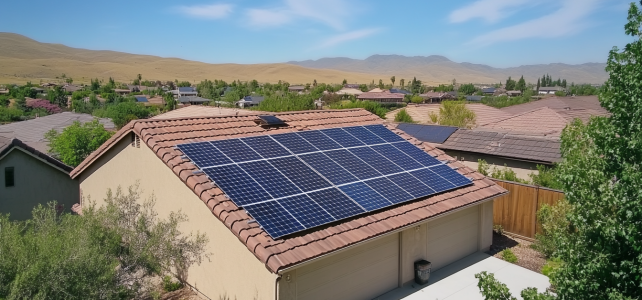
In a world seeking sustainable solutions to limit carbon footprints and reverse the effects of climate change, solar panels present a glimmer of hope. Renewable energies are gaining popularity, and among them, solar energy stands out as one of the most promising. Harnessing solar energy, abundant and inexhaustible, transforms the way humanity approaches its energy needs. Solar panels, by converting sunlight into electricity, play a central role in this energy transition. Their increasing adoption signifies a true paradigm shift. Technological innovations, combined with political and social will, are making this energy source more accessible and efficient than ever.
How Solar Panels Work
Understanding how solar panels work is essential to appreciate their importance in our energy daily lives.
Further reading : The Puff: A Fashion Phenomenon or a Sustainable Innovation?
- Solar panels are made up of photovoltaic cells that capture sunlight. These cells, generally made of silicon, convert light energy into electricity through the photovoltaic effect.
- Once the energy is captured, an inverter transforms the direct current produced by the solar cells into alternating current, usable by household appliances.
- The surplus energy can be stored in batteries for later use or fed into the electrical grid to benefit other consumers.
Advantages of Solar Panels
The numerous advantages of solar panels contribute to their growing popularity among individuals and businesses.
Firstly, they allow for a significant reduction in electricity bills. Solar energy, free and abundant, represents an economical and stable long-term source. Secondly, they are an environmentally friendly option. By producing clean energy, with no greenhouse gas emissions, they contribute to the fight against global warming.
Further reading : Ideas and Inspirations for a Warm and Personalized Interior Decoration
Thirdly, energy independence is a major asset. Users of solar panels become less dependent on traditional energy sources, which are subject to price fluctuations and supply crises. Finally, installing solar panels can increase the value of a property, making it a wise investment.
Challenges and Limitations of Solar Panels
Despite their many benefits, solar panels must overcome certain obstacles to reach their full potential.
The initial installation costs can be discouraging for some, although financial aids exist to encourage their adoption. The efficiency of solar panels depends on weather conditions and sunlight exposure, which can limit their use in certain regions. Their production and recycling also pose environmental challenges, although progress is being made in these areas.
Future Perspectives for Solar Energy
Technological advancements and incentive policies open new perspectives for the growth of solar panels on a global scale.
Research focuses on improving the efficiency of photovoltaic cells and reducing their production costs. Innovations such as integrating solar panels into building materials or electric vehicles promise to revolutionize their use. Governments, for their part, are implementing supportive policies to encourage the transition to greener energy, which should stimulate demand.
Solar panels embody a promising response to the quest for cleaner and more sustainable energy. Their growing adoption and upcoming innovations suggest a future where solar energy could play a central role in our global energy supply. By transforming sunlight into an inexhaustible resource, they offer us the opportunity to build a world that respects our environment while meeting the growing energy needs of our society.