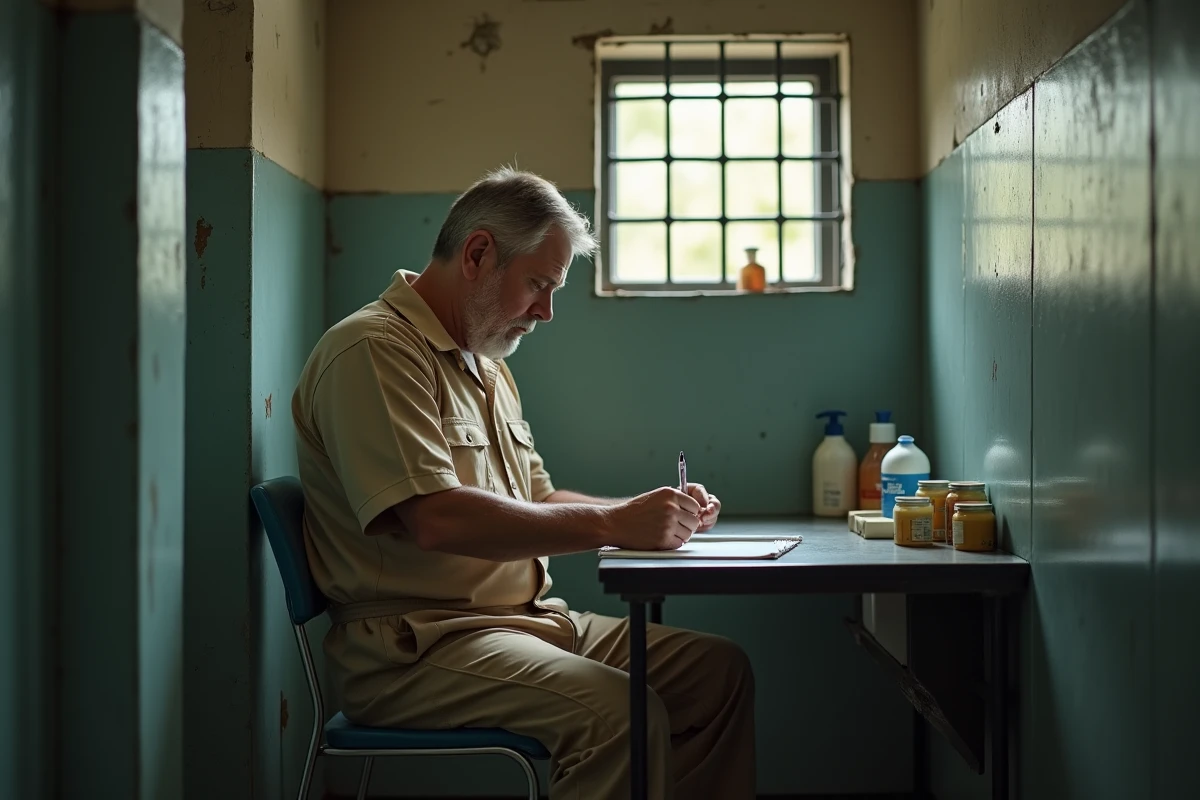
The canteen refers, in a prison environment, to the catalog ordering system that allows incarcerated individuals to purchase products at their own expense. These purchases cover food, hygiene, household items, and tobacco. Far from being a mere supplement, the canteen structures a major part of daily life in detention: in 2022, the vast majority of individuals who had been incarcerated at least once during the year ordered at least one product through this system.
Budget Circuit of the Canteen: from Personal Account to Commercial Account
Each incarcerated individual has a personal account managed by the prison administration. The funds deposited there come from three sources: money orders sent by relatives, wages from prison work, and assistance provided for indigence.
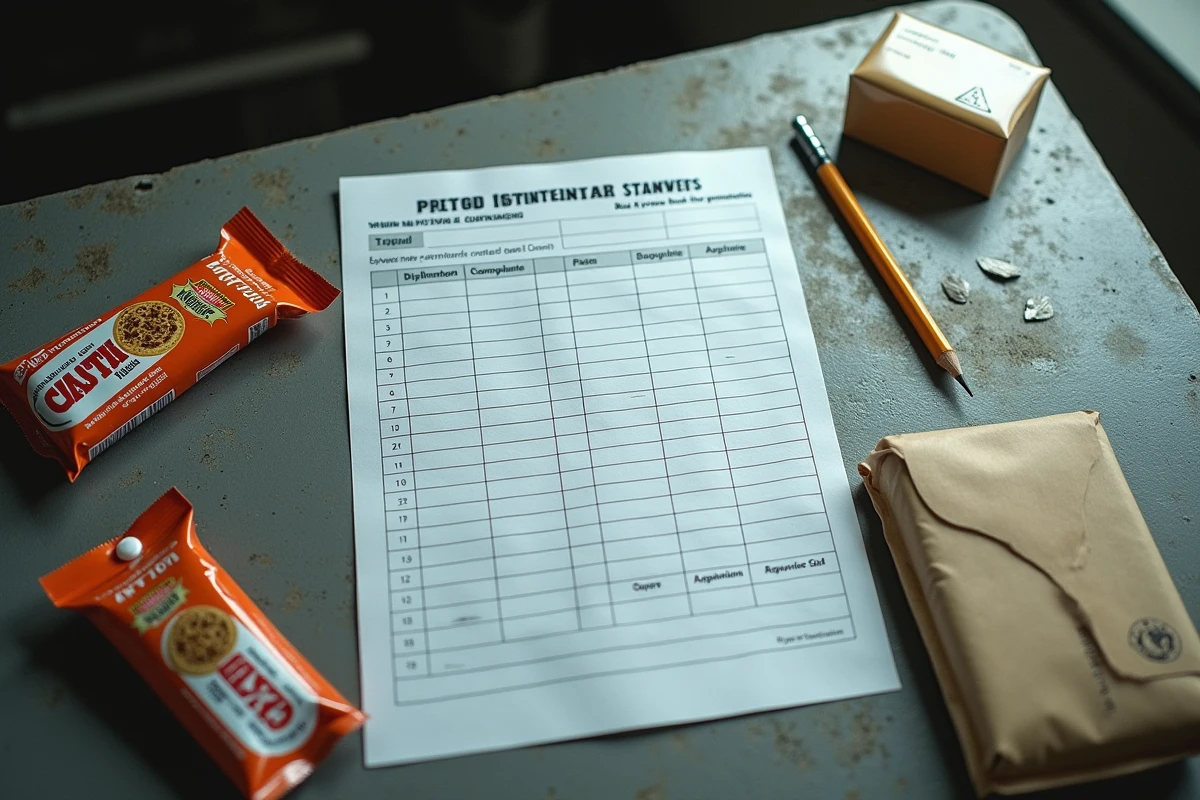
To place an order, the inmate fills out a canteen order form. The amount is debited from their personal account. The revenue generated from sales then passes through the commercial account 912, an accounting system specific to the prison administration. This circuit connects the local administration, the supply service of the establishment, and the central budgetary services.
This mechanism remains poorly documented in the media. To learn everything about the canteen in prison, it is essential to understand that every euro spent is part of an administrative chain where the inmate has no negotiating power over the displayed prices.
Prices of Products in Detention: Additional Costs Related to Private Providers
In publicly managed establishments, the prison administration sets the catalogs. In those under delegated management, a private provider manages the supply and distribution. The choice of provider directly impacts the prices.
The International Prison Observatory (OIP) reported that a change of provider in several prisons in Auvergne-Rhône-Alpes led to a dramatic increase in the price of certain products. The case of coffee illustrates the phenomenon: in the prisons of Saint-Quentin-Fallavier, Villefranche-sur-Saône, and Aiton, the switch from Sodexo to Elior in October 2022 caused the price of 250 g of coffee to rise from 1.85 euros to 6.57 euros, representing a 255% increase on a basic product.
Elior cited a display error and a change in product reference. The new catalog offered more references but did not always maintain budget options. For a population already in a precarious situation, these increases mechanically reduce the ability to cover basic needs for hygiene or food.
How Inflation Affects Inmate Choices
A report from the Ministry of Justice published in January 2024 analyzes the consumption structure of incarcerated individuals in a context of high inflation. The central finding: inmates make trade-offs between food, hygiene, and tobacco like any consumer under budget constraints, but without the possibility to change brands or compare prices.
This lack of competition makes each price increase more severe. The canteen catalog operates like a local monopoly where the inmate is captive.
Budget Management in Prison: Prison Work and Indigence
Wages from prison work constitute the main source of independent income for an inmate. The amounts remain modest and vary according to the type of position held (general service, production workshop, training). A portion of this remuneration is withheld to create a release fund, a sum blocked until release.
For inmates without resources, the prison administration grants an indigence status. This status entitles them to a basic hygiene kit and sometimes a small monthly credit on their personal account. The criteria vary from one establishment to another, creating disparities.
- Prison work feeds the personal account, but a mandatory fraction is set aside for the release fund and compensation for civil parties.
- Money orders from relatives are capped according to the internal regulations of each establishment, with processing times that can delay access to funds.
- The indigence status only covers minimal needs and does not include complementary food products or tobacco.
Public Control and Evaluation of Prison Canteens
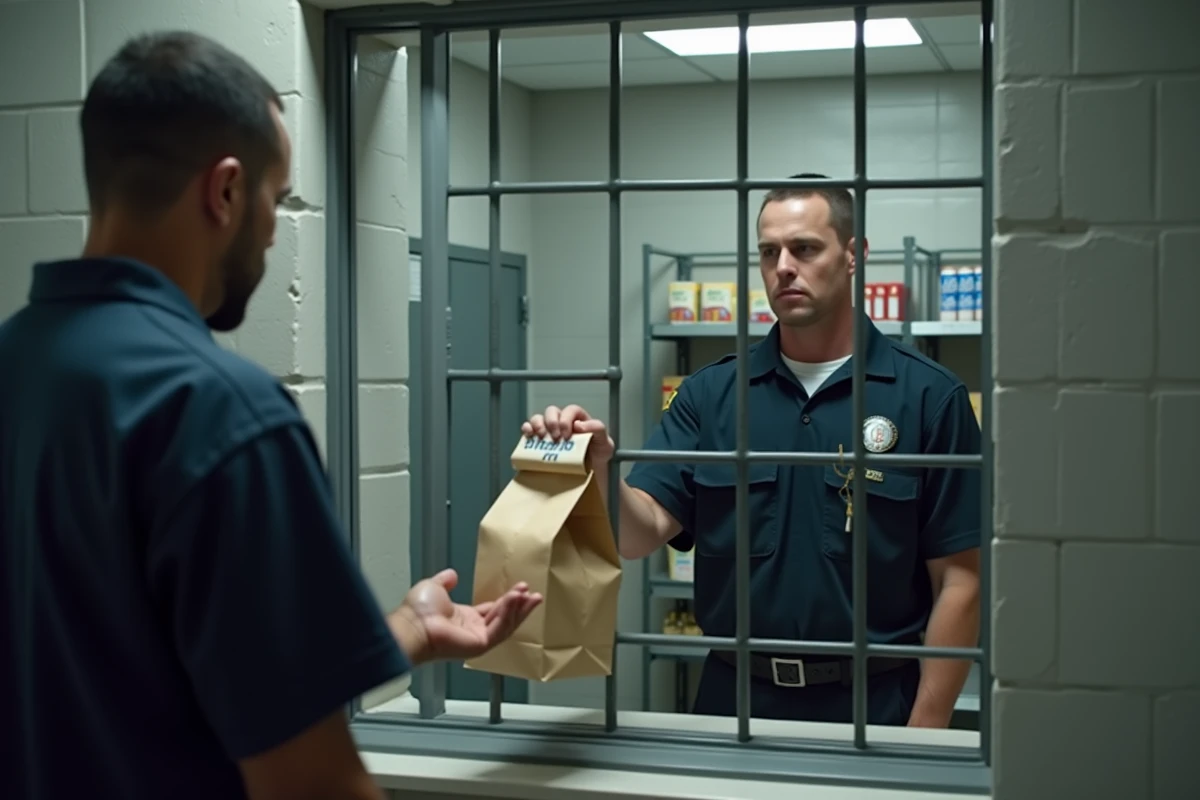
The Court of Auditors has included the canteen in its evaluation logic of the budgetary performance of establishments. The question raised is that of the sustainability of the additional costs imposed on inmates. Because the margins generated from canteen sales are not always allocated transparently.
In Belgium, a magistrate member of a supervisory commission was able to consult the prison accounting and found that the profits generated by the canteens lacked a clear legal basis regarding their allocation. This type of independent control remains rare in France, where supervisory commissions do not always have access to detailed accounting data.
What Could Improve Transparency
- Publish canteen catalogs with prices charged, establishment by establishment, to allow for citizen oversight.
- Regulate by decree the maximum margins applicable to basic necessity products (hygiene, staple food).
- Make it mandatory to include budget options in each category of the catalog, regardless of the chosen provider.
The canteen in prison is not about comfort. It determines the ability of incarcerated individuals to maintain proper hygiene, to supplement often insufficient communal meals, and to preserve a minimum of autonomy. As long as prices are set without real competition and without systematic public oversight, the most vulnerable inmates endure a double confinement: that of the walls and that of the budget.